
Nano 3: Why It’s Built for Silicone
From "Impossible to Print" to Stable, High-Speed, and Precise Results
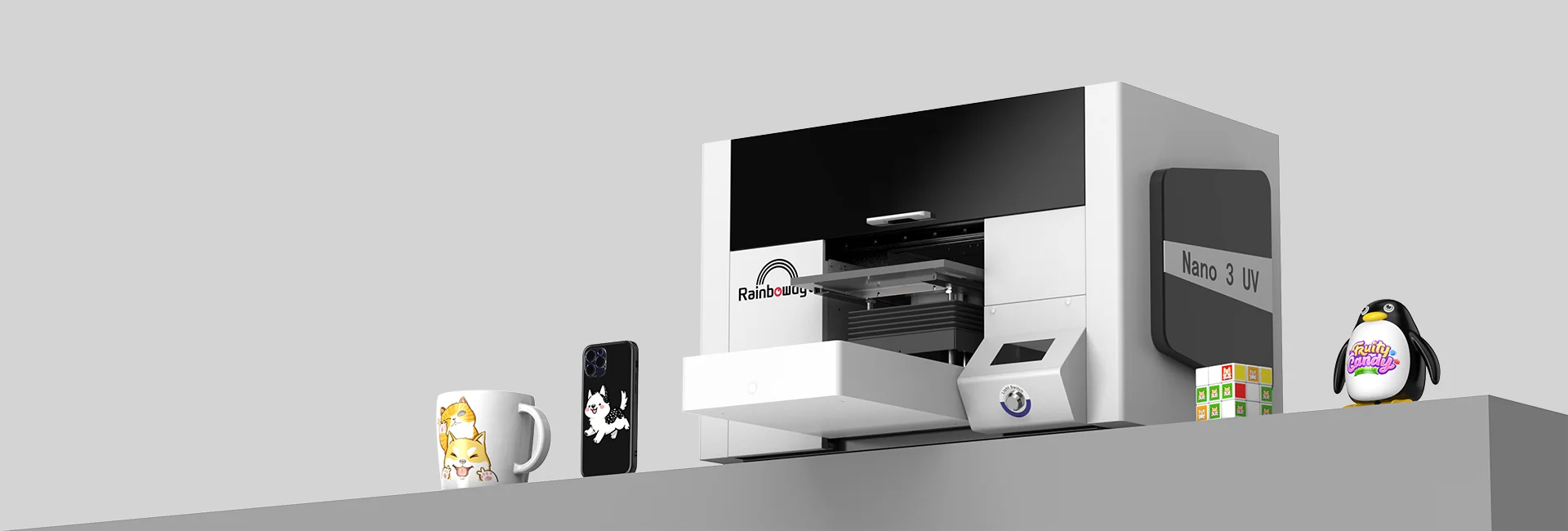
Silicone is one of the most challenging materials in UV printing. It is soft, resilient, and has extremely low surface energy. Conventional UV inks often peel off easily or crack when the material is bent. While many devices claim to be "suitable for flexible materials," printing on silicone exposes real issues with adhesion, stretch-followability, and surface-to-nozzle gap control.
The value of Nano 3 lies in its core configurations—Automatic Height Detection, Flexible Ink System, and the I3200HD Printhead—which directly address the critical bottlenecks in silicone printing from adhesion to mass production.
1. The Real Challenge: Why Ink Doesn't Stick
The problem with silicone isn't just surface irregularity; it’s low surface energy. Without treatment, silicone "repels" ink, causing droplets to shrink and fail to wet the surface.
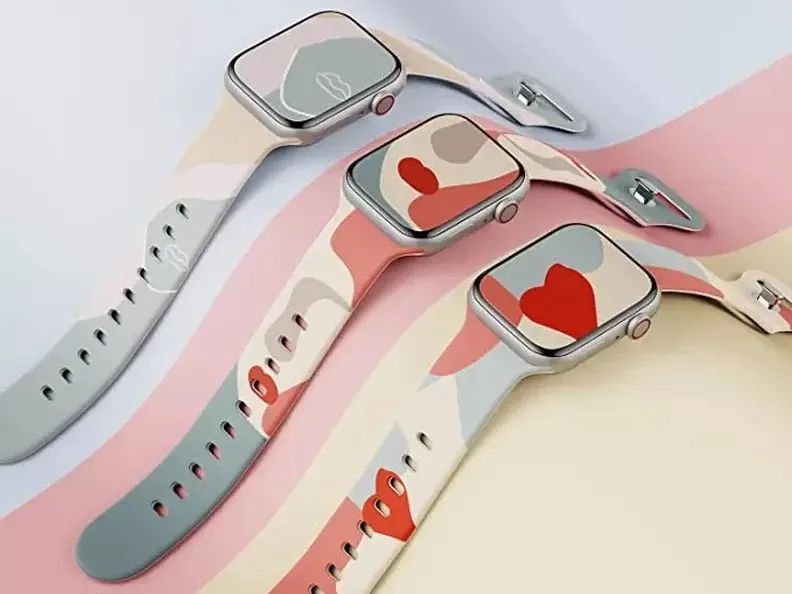
Beyond static adhesion is dynamic failure. Silicone products like phone cases, watch straps, and cup sleeves are repeatedly squeezed and stretched. Nano 3 solves these issues by addressing both adhesion and dynamic following.
2. Flexible Ink: Moving with the Material
Nano 3 paired with flexible UV ink solves the core problem of dynamic failure. Unlike rigid inks, flexible ink forms an elastic network with high elongation and rebound capabilities.
Take silicone phone cases for example: users bend the case frequently during installation and removal. Nano 3’s flexible ink allows the printed layer to deform synchronously with the silicone, dispersing stress instead of concentrating it at a single point to cause cracks. This transforms silicone printing from a "display-only" capability into a durable, everyday product solution.
3. I3200HD: Transitioning to Industrial Production
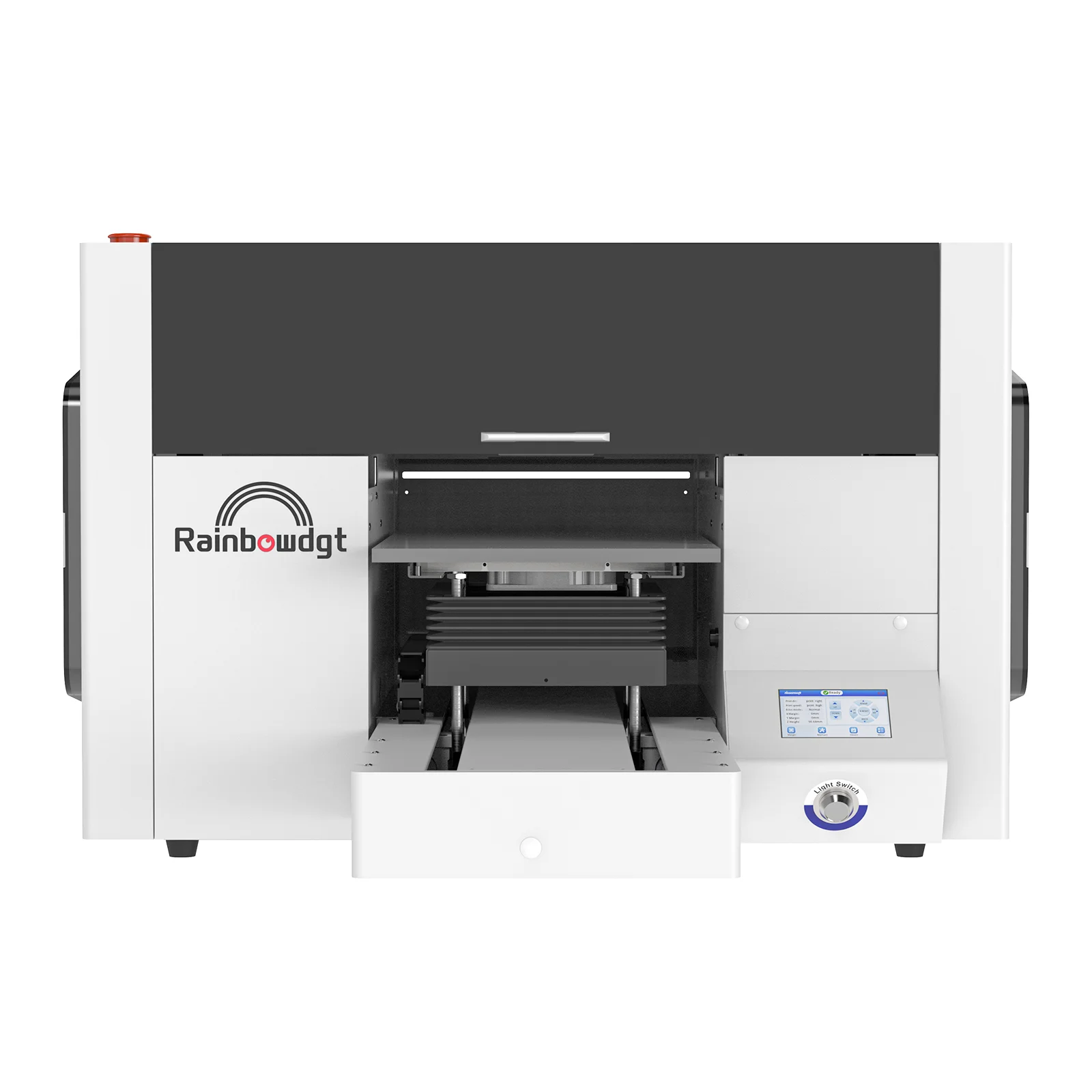
Equipped with the Epson I3200HD printhead, Nano 3 offers 1200 dpi resolution with a minimum droplet size of 6 pl. For A3-sized silicone parts, this means fine lines and small text remain sharp even on elastic surfaces, while drastically reducing delivery cycles.
The durability of the I3200HD is designed for heavy industrial use, compatible with high-viscosity flexible inks and white ink bases. This combination ensures delivery speed, output precision, and long-term hardware reliability.
4. Auto Height Detection: Consistent Quality
Silicone products are rarely perfectly flat. Phone cases have camera bumps, and watch straps vary in thickness. Nano 3’s Auto Height Detection replaces manual guesswork with automated precision.
Lower Defect Rates
The sensor automatically calibrates the distance between the nozzle and the material, eliminating human error and ensuring consistent ink placement.
Easy Operation
Swift switching between different products without manual adjustment. This is critical for high-mix, low-volume custom silicone orders.
5. High-Value Silicone Applications
Nano 3 shines where "Soft + 3D + Durable" requirements overlap. Below are some of its top application areas:
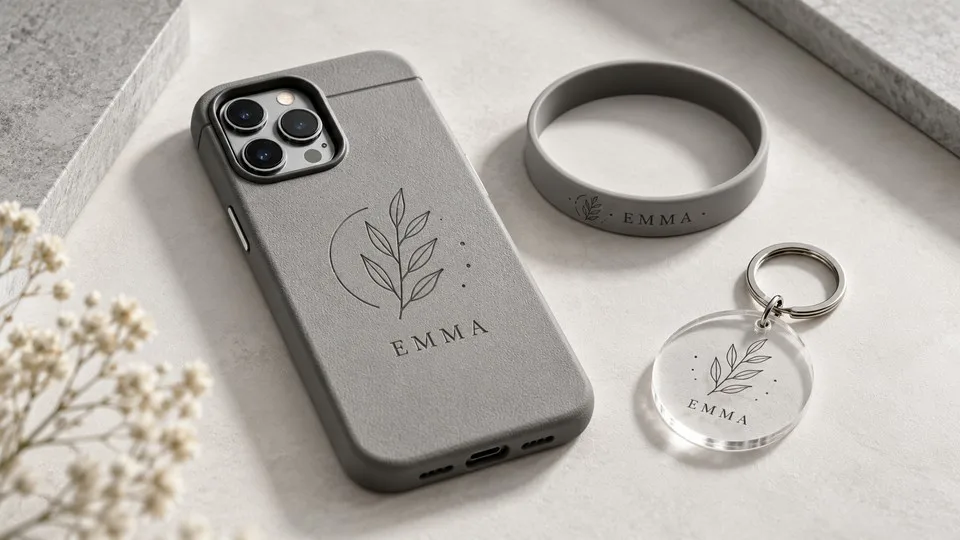
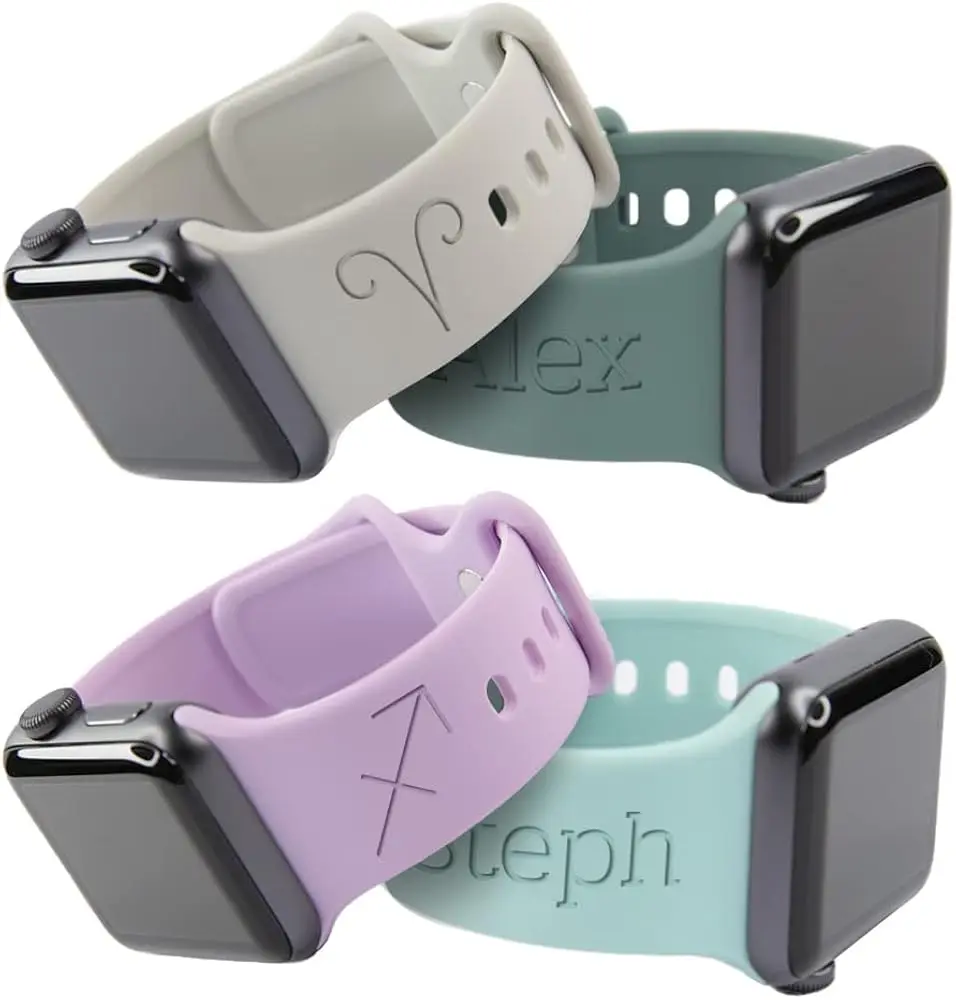
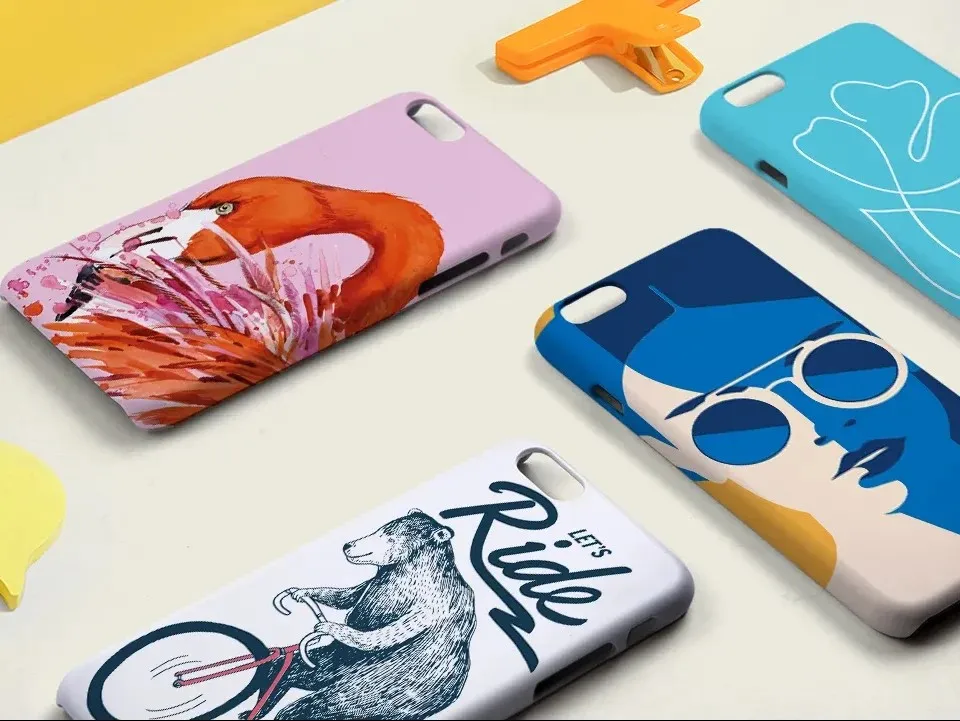

From high-margin personalized Stanley cup sleeves to industrial silicone labels, Nano 3 provides a targeted engineering response to the three critical failure points of silicone printing.
